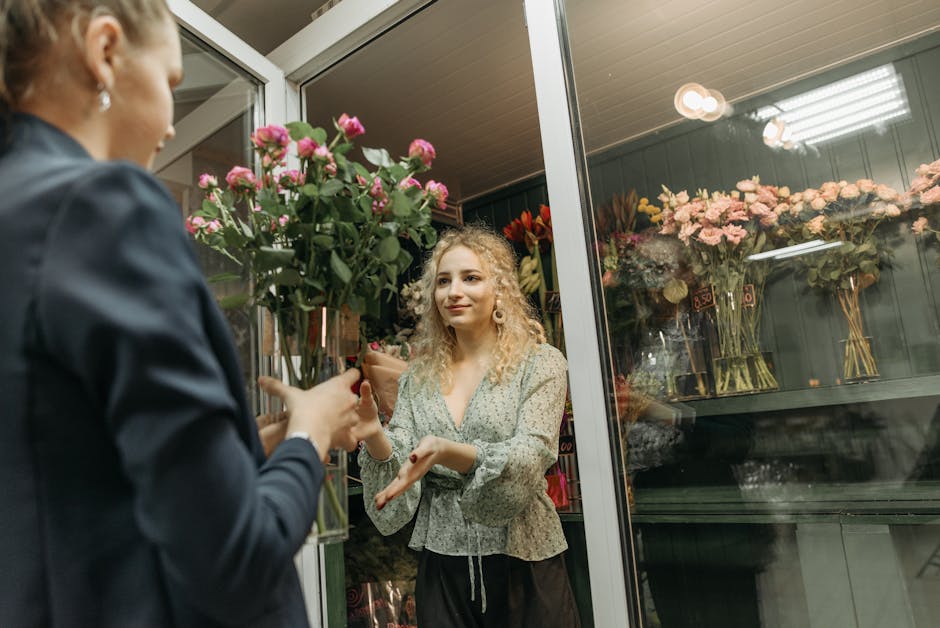
Business flower service for Hampstead offices and shops
Posted on 30/10/2026
If you manage an office, boutique, cafe, salon, showroom, or small workspace in Hampstead, flowers can do more than "look nice." A good business flower service for Hampstead offices and shops helps your space feel polished, calm, and welcoming from the moment someone walks in. It can lift a reception desk, soften a till point, and make an ordinary Tuesday feel just a touch more considered. And, to be fair, that matters more than many people admit.
This guide explains what a business flower service actually involves, how it works, what to expect locally in Hampstead NW6, and how to choose arrangements that suit your brand, your footfall, and your budget. You will also find practical tips, a comparison table, a checklist, and answers to the questions business owners usually ask when they are trying to get the details right without overcomplicating things.

Table of Contents
- Why it matters for Hampstead businesses
- How the service works
- Key benefits and practical advantages
- Who it is for and when it makes sense
- Step-by-step guidance
- Expert tips for better results
- Common mistakes to avoid
- Tools, resources and recommendations
- Law, compliance and best practice
- Options and comparison
- Case study / real-world example
- Practical checklist
- Conclusion
- Frequently asked questions
Why Business flower service for Hampstead offices and shops Matters
Hampstead has a distinctive feel. It is not a place where spaces usually aim to look generic or hurried. Offices here often want something understated but elegant. Shops often want displays that feel curated rather than loud. A reliable flower service helps you get that balance right, week after week, without someone in the team rushing out at lunchtime to buy a last-minute bunch that looks a bit sorry by 3pm.
Fresh flowers quietly shape how people experience a space. They can make a reception feel more confident, a meeting room less rigid, and a retail counter more inviting. In a small independent shop, they may become part of the visual identity. In a professional office, they can signal care, order, and attention to detail. Those are subtle things, but clients notice them. Staff notice them too.
There is also a practical side. Hampstead businesses often sit between very different customer moments: quick retail visits, scheduled appointments, professional meetings, and repeat local trade. Flowers help bridge those moments. A good arrangement says, "someone thought about this space." That is powerful, even if nobody says it out loud.
Expert summary: The best business flower service is not the most extravagant one. It is the one that fits the space, survives the week, supports the brand, and feels consistently fresh rather than occasionally dramatic.
If you are comparing options, it can help to browse a local florist's broader service pages first, such as a Hampstead florist, flower delivery in Hampstead, or the corporate accounts page for recurring business arrangements. Those pages usually give you a sense of how the company handles ongoing orders, delivery timing, and account support.
How Business flower service for Hampstead offices and shops Works
At its simplest, the service is a repeat floral supply arrangement designed for commercial premises. You choose the style, size, frequency, and budget; the florist then prepares and delivers arrangements on a schedule that suits your business. Sometimes that means weekly fresh flowers for a reception. Sometimes it means fortnightly styling for a shop front. Sometimes it is a one-off installation for an event or product launch. There is no single template, and honestly, there shouldn't be.
The usual process is straightforward:
- Initial brief: You explain the space, the brand, the sort of impression you want to make, and any practical limits such as shallow counters, direct sunlight, or tight delivery windows.
- Style selection: The florist suggests flowers, colours, and vessel sizes that suit your setting. Some businesses prefer neutral whites and greens; others want brighter seasonal colour or something more luxurious.
- Budget and frequency: You agree how often arrangements should arrive and what level of spend is comfortable. Predictability matters here.
- Delivery and setup: The flowers arrive fresh, usually arranged to be easy to place straight into reception, retail, or display areas. In some cases, the florist may also remove older arrangements.
- Review and adjust: After a few cycles, the service can be refined. Maybe the shop window needs more height. Maybe the office wants lower arrangements that do not block sight lines. Little tweaks make a big difference.
For many Hampstead businesses, the best setup is a simple standing order rather than a complicated bespoke schedule. Simplicity wins. Not because it is boring, but because busy teams need something dependable.
If you want to understand delivery timing more generally, it can help to review the florist's delivery information, plus the options for same-day flower delivery in Hampstead and next-day flower delivery in Hampstead. Those pages are especially useful when your business needs flowers quickly because of a meeting, event, or sudden opening-day scramble. We've all seen those moments.
Key Benefits and Practical Advantages
The benefits of a business flower service go beyond appearance, although appearance is obviously part of it. Let's break it down in practical terms.
1. Better first impressions
In offices, flowers can make the entry point feel considered rather than purely functional. In shops, they can create an immediate sense of care and taste. A neatly arranged vase by the till or reception desk can do a lot of quiet work for your brand.
2. A more welcoming atmosphere
Fresh flowers soften hard lines, echo natural light, and make interiors feel less flat. This is especially noticeable in smaller Hampstead premises where every detail carries more visual weight. A room with flowers usually feels less cold, even before anyone speaks.
3. Seasonal variation without a full redesign
You do not need to repaint the office or swap your fixtures every month. Changing the flowers seasonally gives your space a fresh feel with very little disruption. Spring pastels, summer brights, autumn tones, winter whites - each one changes the mood instantly.
4. Flexible branding support
Flowers can quietly reinforce a brand personality. Minimalist businesses often lean into whites, greens, and structured forms. Lifestyle shops may use richer colour and looser shapes. Corporate spaces may prefer tidy, elegant arrangements that look expensive without shouting about it.
5. Less admin for your team
If staff are regularly asked to buy flowers, water them, replace them, or deal with wilted stems, the arrangement stops feeling like a luxury and starts feeling like another task. A proper business service removes that friction. That alone is worth it for many teams.
6. A more consistent standard
Consistency is one of the underrated benefits. A florist who understands your account can replicate the tone of your space without making every delivery look identical. There is a difference between consistency and sameness. You want the first one.
For businesses looking to show something a bit more polished, the luxury flowers range can be a good starting point. If value matters more, a lighter-touch option like cheap flowers in Hampstead may work for smaller counters or low-traffic areas. Different spaces, different jobs.
Who This Is For and When It Makes Sense
This service is a good fit for more businesses than people realise. If your premises receive clients, customers, guests, or regular visitors, flowers can do more than decorate. They can support the whole experience.
Offices
Reception desks, meeting rooms, boardrooms, private client areas, co-working spaces, and shared lobbies all benefit from considered floral styling. If your team spends long hours indoors, the change in atmosphere can be surprisingly noticeable by midweek. A bit of colour, a little scent, a cleaner visual line. It all adds up.
Shops and retail units
Boutiques, gift shops, interior stores, salons, and specialist retailers often use flowers to soften displays or lead the eye toward the till, featured products, or window dressing. For retail, the arrangement should feel intentional but not competitive with the merchandise.
Cafes and hospitality spaces
Smaller hospitality businesses often need flowers that hold their shape well and do not interfere with service flow. Low, compact arrangements usually work best. You want atmosphere, not clutter. Easy mistake to make, though.
When it makes sense most
- You want a better customer first impression
- You host meetings or appointments regularly
- You want a more premium feel without major refurbishment
- You need something low-maintenance for the team
- You want seasonal updates or event styling
- You are opening a new site or refreshing an existing one
It also makes sense if your business already has good design standards and just needs one more finishing touch. That is often the case in Hampstead, where customers tend to notice detail. They may not comment on it every time, but they feel it.
Step-by-Step Guidance
If you are setting up a business flower service for the first time, the easiest approach is to treat it like a small procurement decision rather than a creative gamble. Clear process, fewer headaches.
Step 1: Define the purpose
Ask yourself what the flowers need to do. Welcome visitors? Improve the look of a retail counter? Support a premium brand? Add colour to a plain meeting room? Once the purpose is clear, the rest becomes easier.
Step 2: Measure the space and note the conditions
Take note of the table width, shelf depth, lighting, temperature, and whether the area gets draughts or direct sun. Flowers near radiators or full sun windows often need different treatment than flowers in a cool hallway. Small detail, big difference.
Step 3: Choose the right scale
Scale matters more than people think. A huge arrangement in a compact reception can feel overwhelming. A tiny vase in a large office lobby can vanish completely. The size should suit the room, not just the budget.
Step 4: Select a colour direction
Choose a palette that fits your brand and the surroundings. Soft whites and greens feel calm and professional. Mixed colours can feel cheerful and more retail-friendly. Deeper tones can add drama. If you are not sure, begin with something restrained and build from there.
Step 5: Decide on delivery frequency
Weekly delivery is common for busy front-of-house spaces. Fortnightly may be enough for smaller shops or low-traffic areas. The right schedule depends on heat, footfall, and how central the flowers are to the customer experience.
Step 6: Agree service details
Clarify what is included: delivery only, installation, vase swap, water refresh, replacement policy, and what happens if the premises are closed when the florist arrives. This is the unglamorous bit, but it saves awkward surprises later.
Step 7: Review after the first few deliveries
Use the first month as a learning period. If the arrangement is too tall, say so. If the colours are right but the shape feels off, say that too. Good florists expect feedback. They usually welcome it, actually.
Expert Tips for Better Results
Here is where experience really helps. A business flower service becomes much better when the arrangement is shaped around real use, not just looks in a photograph.
- Think in sight lines. In offices, flowers should not block faces across a meeting table or obscure signage at reception.
- Choose hardy stems where needed. If your space is warm or busy, ask for varieties that hold up well. Not every pretty flower enjoys a long week in a window.
- Use flowers as part of a wider visual story. Tie them to your stationery, interiors, or product palette where possible.
- Keep one "safe" style and one seasonal option. This gives you variety without needing to rethink the account each time.
- Ask about vase and vessel options. A tall glass vase, a ceramic bowl, and a low arrangement each create a very different mood.
- Plan around your busiest days. If Fridays are hectic, delivery on Thursday or first thing Monday may be smarter.
One simple but often overlooked trick: keep the flowers close to eye level where people naturally pause. In a shop, that might mean the till area. In an office, it may mean reception, not the far corner nobody passes. Obvious? Perhaps. Easy to forget? Also yes.
If your business values visual consistency, looking at the florist's general best flower delivery in Hampstead page can help you judge overall service quality. And if you are curious about freshness, handling, and vase life, the flower care guide is worth a look. A few small care habits can make a big difference between a bouquet that just survives and one that still looks sharp on day four.
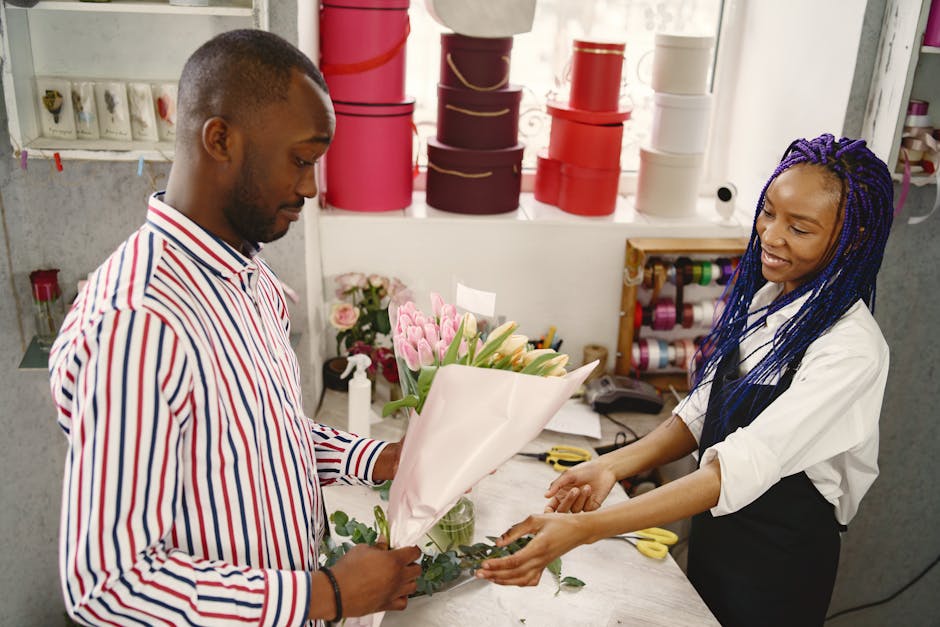
Common Mistakes to Avoid
Most problems with business flowers are not dramatic. They are practical. Slightly too big, slightly too late, slightly too fussy. That sort of thing. Here are the common ones.
Choosing style before function
It is tempting to choose something beautiful first. But if the arrangement blocks signage, sheds pollen near paperwork, or clashes with your layout, it will become annoying very quickly. Always start with function.
Ignoring maintenance
Even the best flowers need a little attention. If nobody knows who changes the water, clears petals, or receives replacement deliveries, the display can slide downhill fast. Not a good look in a client-facing space.
Overcrowding the room
More is not always better. Too many arrangements can make a room feel cluttered or overdesigned. In retail, that can distract from products. In offices, it can make the space feel busier than it needs to be.
Using a one-size-fits-all arrangement
A reception area and a stockroom do not need the same thing. Nor do a luxury boutique and a legal office. Different spaces ask for different tones. It sounds obvious, but plenty of businesses still try to standardise everything.
Skipping the review stage
If nobody checks whether the flowers are actually working, the service can drift. Good floral support should evolve. Otherwise you end up paying for habit rather than value.
Overlooking practical policies
Delivery windows, cancellation terms, and refund handling all matter. Before starting, it helps to read the florist's returns and refund, terms and conditions, and payment pages so expectations are clear from day one.
Tools, Resources and Recommendations
You do not need much to manage a business flower service well, but a few simple tools and resources make the process smoother.
Useful tools on your side
- Space notes: a quick list of dimensions, light levels, and placement points
- Photo references: a few images of arrangements you like, plus ones you definitely do not
- Delivery schedule: a calendar or shared note so everyone knows what is coming when
- Budget tracker: a simple monthly record for recurring spend
- Feedback log: useful if different staff members receive deliveries on different days
Florist resources worth checking
Local florists often provide pages that help you understand quality, ethics, and service standards. On this site, the most useful pages for a business customer usually include about us, guarantees, sustainability, and contact us. Those pages tell you something important: how the business works, what it stands behind, and how easy it is to speak to a real person if needed.
For offices and shops with a recurring need, the corporate accounts page is especially relevant because it suggests the florist is set up for repeat business rather than just one-off gifting. That is what you want for a standing arrangement service.
There are also product ranges that can be surprisingly useful for business use. For example, flowers in a vase are convenient for reception areas, while florist choice works well if you want the florist to select seasonal stems that suit your brief. If the business prefers a lighter, more flexible style, any occasion can be a practical fit too.
Law, Compliance, Standards, or Best Practice
For most flower services, compliance is more about good business practice than heavy regulation. Still, it pays to be careful, especially in offices and shops where staff, visitors, and deliveries all move through the same space.
Here are the main considerations:
- Access and safety: arrangements should not block exits, trip routes, or operational walkways.
- Workplace practicality: avoid placements that create spills near electrical equipment, payment terminals, or high-traffic thresholds.
- Allergy awareness: if staff or clients are sensitive to scent or pollen, choose lower-scent varieties and keep arrangements away from close-contact desks where possible.
- Handling and storage: flowers should be delivered in a way that is safe, clean, and easy to manage on arrival.
- Business records: if flowers are part of regular operating spend, keep invoices and delivery records tidy for internal accounting.
It is also sensible to review privacy and accessibility information if your business interacts closely with the public. While those pages are not flower-specific, they are part of running a professional local service properly. On this website, that means looking at the privacy policy and accessibility statement where relevant.
Best practice, in plain English, is simple: keep the flowers beautiful, but keep the space usable first. That is the real standard. Everything else is decoration - lovely decoration, yes, but still decoration.
Options, Methods, or Comparison Table
Different business settings need different flower solutions. The table below gives a quick comparison of common options for offices and shops in Hampstead.
| Option | Best for | Advantages | Watch-outs |
|---|---|---|---|
| Weekly standing arrangement | Reception desks, client-facing offices, boutiques | Consistent freshness, strong first impression, easy routine | Requires regular budget and delivery access |
| Fortnightly arrangement | Smaller offices, quieter shops, back offices with some public presence | Lower cost, less frequent admin | May not suit warm or high-traffic spaces |
| Seasonal refresh | Businesses wanting variety without constant change | Fresh look for spring, summer, autumn, winter | Less consistent than a standing weekly service |
| Event-based flowers | Openings, launches, meetings, promotions | Flexible, targeted, easy to scale up | Not a substitute for ongoing front-of-house styling |
| Luxury bespoke styling | High-end brands, premium offices, special presentation areas | Very polished, tailored to the space | Usually higher spend and more planning |
If you are unsure which route fits best, start modestly. A smaller, well-placed arrangement often outperforms an expensive one that dominates the room. Truth be told, a lot of the best-looking spaces are actually quite restrained.
Case Study or Real-World Example
Imagine a Hampstead independent shop that serves a steady stream of local customers and occasional appointment-based visitors. The owner wants the space to feel stylish but not overworked. The front window is bright in the morning, the till sits near the entrance, and staff have little time for flower maintenance.
The florist suggests a low, compact arrangement for the counter and a slightly taller piece for a side table near the entrance. The colours stay within a soft palette - whites, greens, and a touch of seasonal accent colour. The delivery schedule is weekly, timed for early in the morning before the shop opens fully. The arrangement is not huge, but it sits beautifully in the space. Customers notice it. Staff do too. It becomes part of the shop's rhythm, almost like a visual signature.
Now compare that with a small office on a busy working day. People are in and out, calls are ringing, somebody is carrying boxes down the corridor, and no one wants to spend ten minutes fussing over flowers. Here, the best solution is usually an easy-to-place vase arrangement that arrives ready to display, with a clear point of contact for reordering. Simple, calm, efficient.
That is the real value of a business flower service: it adapts to the way your premises actually work, rather than forcing you to adapt to the flowers.
Practical Checklist
Use this checklist before you start or renew a business flower service for your office or shop.
- Have you defined the purpose of the flowers?
- Do you know where they will be placed?
- Have you measured the space or at least checked the scale?
- Is the arrangement meant to feel calm, premium, seasonal, or promotional?
- Have you chosen a sensible delivery frequency?
- Do you know who will receive and place the delivery?
- Have you confirmed access instructions for the premises?
- Have you thought about scent sensitivity or practical restrictions?
- Have you reviewed payment, refund, and delivery terms?
- Do you have a plan for feedback after the first few deliveries?
One more thing: if you are managing several moving parts in a busy week, give yourself permission to keep it simple. A good flower service should reduce admin, not add another layer of it.
Conclusion
A well-chosen business flower service for Hampstead offices and shops is not just a decorative extra. It is part of how your space feels, how your brand is experienced, and how people remember walking through the door. Done well, it adds calm, polish, and a sense of care without demanding too much from your team.
For offices, the right arrangement can make a reception feel more assured and a meeting room more welcoming. For shops, it can sharpen the customer experience and add a subtle sense of quality that people do notice, even if they do not mention it. The best approach is usually the one that fits your space naturally, keeps maintenance light, and feels consistent from one delivery to the next.
If you are planning flowers for a Hampstead office or shop, start with the basics: space, style, frequency, and service support. Then refine from there. That is usually how the good results happen - a little thought, a bit of coordination, and a florist who understands what the room needs.
Get a free quote today and see how much you can save.
Frequently Asked Questions
What is a business flower service for Hampstead offices and shops?
It is a recurring or scheduled flower delivery service designed for commercial spaces such as offices, boutiques, cafes, salons, and reception areas. The flowers are chosen to suit the space, brand, and practical needs of the business.
How often should office flowers be replaced?
Weekly is common for client-facing areas, especially where the flowers are central to the look of the space. Quieter offices may only need fortnightly delivery. The right frequency depends on temperature, placement, and how important the display is to the room.
Are flowers suitable for small shops?
Yes, very much so. Small shops often benefit the most because a single well-placed arrangement can make the whole space feel more curated. The key is choosing the right scale so the flowers enhance the display rather than compete with it.
Can the florist match our brand colours?
Usually, yes. A florist can often work within a colour palette that reflects your branding, interiors, or seasonal campaign. It helps if you share examples, brand guidelines, or a few photos of the space.
What kind of flowers work best in a busy office?
Hardier stems and balanced arrangements tend to work best in busier environments. Flowers that hold their shape well and do not need constant repositioning are usually the safest choice. Low-maintenance design is the goal here.
Do business flower services include vases?
Often they do, but it depends on the florist and the package. Some services supply and swap vases, while others deliver flowers in a container you already use. It is worth confirming this early so there are no surprises.
How much should a business flower service cost?
Costs vary depending on arrangement size, frequency, seasonal flowers, and whether the service includes vases or setup. The best approach is to agree a monthly budget first and then ask the florist to build around it.
Can flowers be delivered before opening hours?
Sometimes, yes, if access is arranged in advance. Many businesses prefer early delivery so the display is ready before customers or staff arrive. It is best to discuss timing and access when setting up the service.
Are there flowers that are better for low-maintenance reception areas?
Yes. More structured arrangements and sturdy flowers usually perform better where staff are too busy to do daily upkeep. A florist can suggest options that suit the level of maintenance your team can realistically manage.
What if we need flowers for a one-off event rather than a standing service?
That is common too. Many florists can provide event flowers for launches, meetings, private functions, or seasonal promotions. A one-off order can also be a good way to test style before committing to a recurring service.
Can flowers help a shop feel more premium?
Absolutely. Flowers can create a sense of care, atmosphere, and visual quality that supports a premium brand. The trick is to keep the design tasteful and appropriate to the products on display.
How do I know if a florist is reliable for business orders?
Look for clear delivery information, transparent payment terms, a corporate accounts option, and useful service pages that explain what happens if something needs adjusting. A reliable florist is usually easy to speak to and clear about expectations from the start.