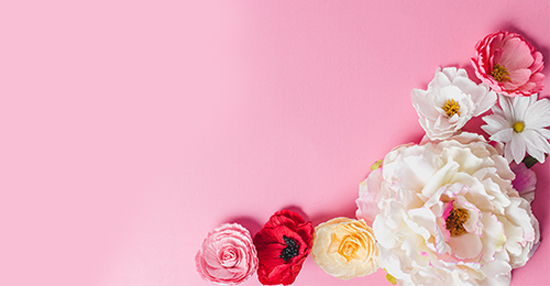
Wedding flowers for Kenwood House ceremonies in Hampstead
Posted on 27/09/2026
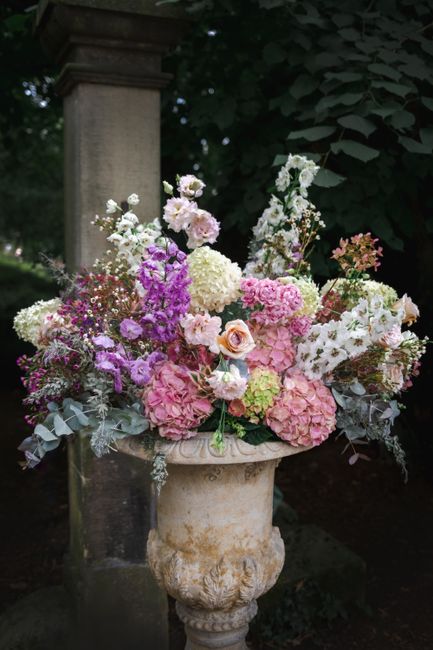
Planning wedding flowers for Kenwood House ceremonies in Hampstead can feel beautifully exciting and slightly overwhelming all at once. The setting is refined, historic, and full of quiet grandeur, so the flowers need to do more than simply look nice. They should sit comfortably within the venue, frame the ceremony in a way that feels natural, and reflect your style without fighting the room. That balance matters a lot. Done well, the floral design will feel like it belongs there from the first guest arrival to the final photo by the light-filled windows.
This guide walks you through what works, what to avoid, how to plan sensibly, and how to choose arrangements that suit the mood of Kenwood House in Hampstead. Whether you want soft and understated, lush and romantic, or a more polished, formal finish, you will find practical direction here. And yes, we will keep it real-because wedding flowers are lovely, but the logistics are still logistics.
Expert summary: For a venue like Kenwood House, the best wedding flowers are usually cohesive, elegant, and proportionate to the space. Focus on ceremony visibility, colour harmony, transport, timing, and a design that looks refined from every angle.
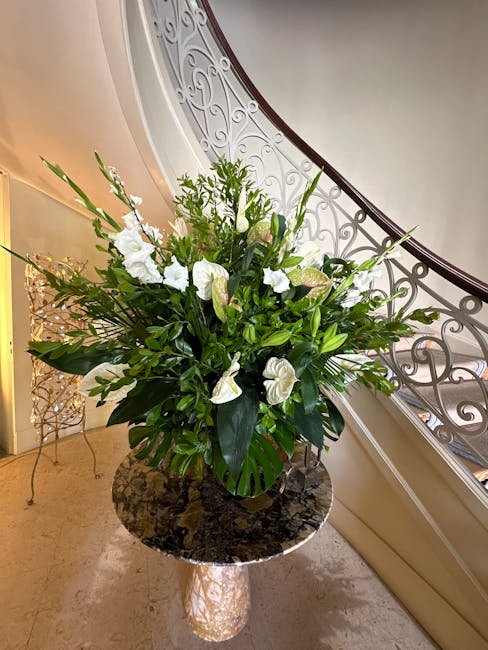
Table of Contents
- Why wedding flowers for Kenwood House ceremonies in Hampstead matters
- How wedding flowers for Kenwood House ceremonies in Hampstead works
- Key benefits and practical advantages
- Who this is for and when it makes sense
- Step-by-step guidance
- Expert tips for better results
- Common mistakes to avoid
- Tools, resources and recommendations
- Law, compliance, standards, or best practice
- Options, methods, or comparison table
- Case study or real-world example
- Practical checklist
- Conclusion
- Frequently asked questions
Why Wedding flowers for Kenwood House ceremonies in Hampstead Matters
Kenwood House is not the kind of venue that needs floral noise. It needs thoughtful floral design. That is the key difference. A grand interior, period detailing, and a formal wedding setting all ask for flowers that feel intentional rather than overstuffed. If your arrangements are too small, they can disappear into the room. Too large, and they can overwhelm the architecture or block the natural flow of the ceremony.
That is why wedding flowers for Kenwood House ceremonies in Hampstead matter so much. They are doing three jobs at once: setting the tone, supporting the venue, and helping your photographs look polished. The ceremony flowers frame the couple, guide the eye, and quietly shape how the entire space feels. It sounds simple, but the difference between "nice flowers" and "everything looks right" is usually in the details.
In a venue like this, flowers also help unify separate elements. You may have a bridal bouquet, bridesmaid bouquets, buttonholes, ceremony arrangements, and table flowers. Without a clear floral language running through all of them, the day can start to feel a bit patchwork. With consistency, though, everything clicks into place. You notice it in the room before you even think about it.
It is also worth saying that Hampstead weddings often involve a mix of city logistics and heritage-venue expectations. So the flowers need to be beautiful, yes, but also practical. They should travel well, arrive on time, and be arranged with enough flexibility to suit the venue's setup and your schedule. Truth be told, this is where good planning saves stress later.
How Wedding flowers for Kenwood House ceremonies in Hampstead Works
At a practical level, wedding flower planning starts with the ceremony layout and the mood you want to create. For Kenwood House, that usually means thinking about where guests will sit, where the couple will stand, what will be seen in the main photographs, and how much visual weight the room can comfortably hold. The flowers should support the ceremony, not compete with it.
Most couples begin with a bridal bouquet and then build outward. From there, the design may include bridesmaid bouquets, groom buttonholes, corsages, ceremony pedestal arrangements, aisle flowers, table arrangements, and perhaps floral accents for the welcome table or reception details. If you are choosing from a curated range, something like wedding flowers can help keep the whole look consistent without making every item identical. That is often the sweet spot.
A good florist will also think in layers. For example, a bouquet might use slightly softer textures and a more intimate shape, while ceremony arrangements may need a stronger silhouette to read clearly from a distance. Buttonholes and corsages should echo the main flowers without looking like mini replicas. Nobody wants the groom's buttonhole to fight with the bride's bouquet for attention. That would be a bit much.
Seasonality matters too. Some flowers are naturally better suited to certain months, and while UK floristry can source a wide range, the smartest designs usually work with the season rather than against it. Seasonal choices tend to look fresher, hold up better, and often feel more in tune with the day. If you prefer a warmer, lighter feel, a design built around summer flowers can be especially effective for bright ceremonies and early evening photographs.
Finally, the process usually includes a visual or verbal brief, style references, colour palette choices, scale decisions, and practical delivery planning. The exact workflow varies, but the essentials are the same: agree on the look, confirm the budget, check the venue rules, and make sure every arrangement has a clear purpose.
Key Benefits and Practical Advantages
When the flowers are well chosen, the benefits are immediate. The ceremony looks cohesive, the photos feel elevated, and the venue's character is enhanced rather than hidden. That last part matters more than people expect. A historic venue has its own personality, and the flowers should feel like a respectful guest rather than a competing headline act.
- Stronger visual cohesion: the bouquet, ceremony pieces, and accessories all look connected.
- Better photographs: flowers add softness, colour, and depth to key moments.
- More confident styling: you know the floral design suits the room and the mood.
- Reduced setup stress: a clear plan makes delivery and installation smoother.
- Higher perceived quality: elegant florals often make the whole celebration feel more refined.
There is also a less obvious benefit: flowers help people emotionally settle into the day. Guests walk in and immediately understand the tone. You, as a couple, see your vision become real. It is one of those small-but-not-small moments. A room that smelled faintly of fresh stems and looked thoughtfully put together can change how a ceremony feels in the first minute.
For couples balancing a wedding budget, well-planned flowers can also be more efficient than they first appear. A few well-placed ceremony arrangements can do a lot of work across the day if they are repositioned later. Bouquet and table pieces can also be chosen to coordinate without needing to be overly elaborate. If you are looking for a more value-aware approach, browsing luxury flowers alongside more restrained options can help you compare style against spend in a sensible way.
Who This Is For and When It Makes Sense
This kind of floral planning makes sense for couples who want the ceremony to feel elegant, organised, and venue-appropriate. If you are marrying at Kenwood House and care about detail, then yes, you are the right audience. It is also a strong fit for couples who do not want a generic wedding look. A setting like this rewards considered choices.
It may be especially useful if you are:
- planning a formal or semi-formal ceremony
- choosing a classic white, blush, green, or mixed-colour palette
- wanting the flowers to photograph well without looking staged
- combining ceremony and reception flowers efficiently
- working around venue timing, access, or delivery constraints
- trying to keep everything elegant rather than overly ornate
It also makes sense if you are the sort of person who would rather have a few excellent arrangements than a lot of scattered detail. That approach can suit Kenwood House really well. On the other hand, if you love a very abundant, garden-style look, that can work too-provided the scale is controlled and the shapes stay balanced.
Couples often ask whether they need to match every flower exactly. The honest answer? No. In fact, too much matching can make everything feel a bit stiff. The better approach is harmony. Let the bouquet lead, then echo the same mood through bridesmaid flowers, buttonholes, and ceremony pieces. For example, a bouquet based on white bridal bouquet styling can be paired with softer green or cream accents to keep the look graceful and modern.
Step-by-Step Guidance
1. Start with the venue and ceremony format
Before choosing stems, work out how the ceremony space will be used. Will the couple stand centrally, under an arch, at the front of the room, or in front of a window? Is the flower focus mainly on the aisle, the altar area, or the table styling? These details shape everything else. A floral plan that works in one layout may feel wrong in another.
2. Define the style in plain language
Try describing the look with simple words first: romantic, crisp, heritage, modern, soft, garden-inspired, dramatic, or minimalist. Then choose colours. This is more useful than saying "nice" or "elegant," which, let's be fair, means five different things to five different people. A few specific words will save everyone time.
3. Choose the hero flowers
Your hero flowers are the ones that carry the design. For some couples that might be roses. For others, it may be lilies, orchids, lisianthus, or mixed seasonal blooms. If you want a graceful, classic effect, a bouquet such as a romantic bridal bouquet can create a strong base for the rest of the floral scheme.
4. Add supporting flowers and textures
Supporting flowers give the arrangement depth and prevent it from looking flat. Think of them as the background singers, not the soloist. This is where texture comes in: airy sprigs, softer petals, gentle greenery, and smaller blooms can all help the main flowers feel richer and more polished.
5. Plan the bridal party pieces
Bridesmaid bouquets, buttonholes, and corsages should sit comfortably beside the main bouquet. They should echo the palette without stealing focus. For a coordinated bridal party look, you might pair the main bouquet with matching bridesmaid bouquets and simple groom buttonholes for balance.
6. Think about the ceremony and reception flow
Flowers can often be reused, which is a practical win. Ceremony pedestals may be moved to the reception. Smaller arrangements can be grouped on guest tables or used on the signing table. This is one of those areas where a bit of planning really pays off. Ask the question early: what can move, and what must stay?
7. Confirm delivery timing and setup access
Timing is not glamorous, but it is absolutely crucial. The flowers should arrive with enough time for staging, last-minute adjustments, and any handover required by the venue or planner. If the schedule is tight, keep the design practical. A cleaner structure is often safer than an overly delicate one.
8. Finalise care and handling
Once the flowers are delivered, they need to be kept cool, hydrated, and away from direct heat where possible. If you are moving them between locations, make sure someone is responsible for transport. It sounds basic, but on a wedding day basic things are often the things that save the day.
Expert Tips for Better Results
One of the best decisions you can make is to design with the room in mind. Kenwood House has a presence. So instead of asking, "What flowers do I like?" also ask, "What flowers will look right here?" That single shift tends to improve the outcome immediately.
Use colour with restraint. That does not mean dull. It means controlled. A refined palette of whites, creams, blush, pale pinks, greens, or one carefully chosen accent colour often looks stronger in a heritage setting than a rainbow of competing tones. If you love colour, use it deliberately, perhaps in one feature bouquet or in a focused detail like table flowers.
Another tip: think in visual weight. Large blooms, tall stems, and fuller arrangements are useful for big rooms or ceremony backdrops. Smaller, tighter designs can look more composed for personal flowers or intimate table settings. The trick is making sure the scale changes sensibly from one item to the next.
In our experience, couples sometimes under-estimate how much the bouquet shape matters. Round bouquets feel classic and tidy. Loose garden-style shapes feel softer and more natural. Cascading designs feel more dramatic and formal. None is inherently better, but each changes how the rest of the day feels. Choose the shape that belongs to your dress, your venue, and your own comfort.
A couple of extra practical tips:
- ask for stem counts or design references if you want clarity
- keep one bouquet or table piece simple if you want a stronger statement elsewhere
- check flower scent if you or a guest are sensitive to fragrance
- consider weather and transport, especially in warm months
- keep buttonholes compact so they sit neatly through the ceremony
And one more thing: do not let the floral design get too clever for its own good. Flowers should make the day feel easier, not more complicated. A calm plan beats a dramatic plan every time. Well, almost every time.
Common Mistakes to Avoid
The most common mistake is simply choosing flowers before understanding the venue. It is easy to fall in love with a bouquet photo and forget to ask whether it will suit the room. That can lead to designs that look lovely in isolation but awkward in context.
Another frequent issue is over-ordering. More flowers do not always mean a better result. At a venue like Kenwood House, a few carefully positioned pieces can create much more impact than lots of small, unfocused ones. If everything is shouting, nothing is.
Other mistakes to avoid include:
- Ignoring scale: tiny arrangements can disappear in a formal setting.
- Forgetting the logistics: delivery, setup, and reuse need planning.
- Choosing weak colour combinations: colours should support each other, not compete.
- Leaving boutonnieres to the last minute: small items still matter, and they need coordination.
- Not checking venue rules: some spaces have restrictions on installation or open flame nearby.
There is also a subtler mistake: trying to include every flower you love. It is understandable. Flowers are tempting. But a wedding scheme works best when it has a point of view. Pick the strongest ideas and let them breathe. That is where elegance comes from.
Tools, Resources and Recommendations
You do not need a huge toolkit to plan wedding flowers well, but a few practical resources make life easier. Start with a mood board-digital or printed-and keep it focused. A handful of images is usually more useful than fifty. You are trying to identify a direction, not build a museum archive.
Useful planning tools include:
- a simple colour palette sample
- venue photographs showing the ceremony space
- a list of personal flowers needed, with quantities
- notes on timing, access, and delivery windows
- any fabric, stationery, or attire details that affect colour matching
If you want a practical base for guest gifting or related wedding floral ideas, browsing a broader collection such as all flowers can help you compare shapes, colours, and price points without committing too early. Likewise, if your schedule is tight, same-day flower delivery in Hampstead and next-day flower delivery in Hampstead are useful service pages to know about for urgent needs beyond the wedding itself.
For wedding-specific decisions, it is smart to look at curated bridal and bridal-party designs rather than trying to piece everything together from scratch. A set like the I Cherish You wedding collection can give you a cohesive starting point, especially if you want the bouquet, bridesmaid flowers, and buttonholes to feel coordinated from the outset.
And if you are the sort of person who likes to compare options carefully, ask for clarity on flower care, delivery, and replacement policy before finalising anything. The small print is not romantic, admittedly, but it matters.
Law, Compliance, Standards, or Best Practice
For wedding flowers, the main compliance considerations are usually practical rather than legal. That said, good practice matters. Venues often have their own rules about access, setup windows, where items can be placed, and what can be attached to walls, furniture, or historic surfaces. For a heritage venue, these rules may be especially important, so it is sensible to confirm them well in advance.
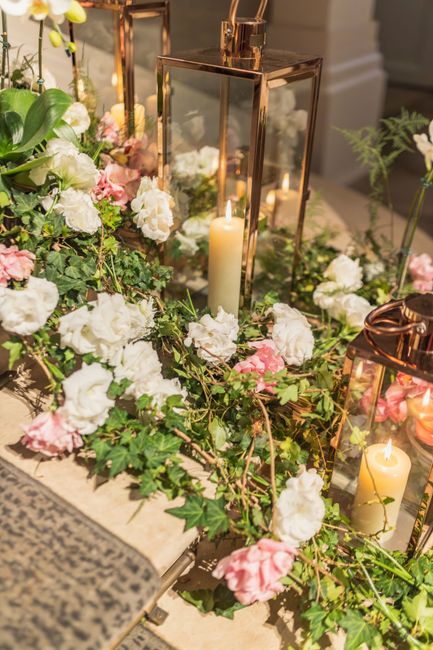
If florals involve any installation, it should be done safely and without risk to guests or the venue. Arrangements should be stable, not top-heavy, and not placed where they may obstruct walkways. If candles, wires, stands, or water sources are involved, these should be handled carefully and in line with venue expectations. No one wants a beautiful arrangement becoming a hazard. That would spoil the vibe instantly.
From a best-practice perspective, responsible floristry also means transparency on flower condition, delivery timing, substitutions, and aftercare. In the UK, clear communication is simply part of good service. If a specific bloom is unavailable, a florist should usually explain the substitution approach rather than quietly swapping in something random. Good floristry is built on trust, not surprises.
It is also sensible to be realistic about seasonality and sustainability. Not every flower is available at every time, and sometimes a seasonal alternative looks better anyway. If sustainability matters to you, ask how the flowers are sourced, reused, or disposed of after the event. If you want to take that further, a supplier's sustainability information and flower care guidance can be useful supporting pages.
Options, Methods, or Comparison Table
There is no single "correct" floral approach for Kenwood House. The best choice depends on the mood of the ceremony, your budget, and how much visual drama you want. Here is a straightforward comparison of common approaches.
| Approach | Best for | Strengths | Watch-outs |
|---|---|---|---|
| Classic white and green | Formal, timeless ceremonies | Elegant, calm, easy to coordinate | Can feel plain if texture is too limited |
| Soft romantic pastels | Gentle, flattering, photo-friendly styling | Warm, pretty, versatile across seasons | Needs careful balance to avoid looking washed out |
| Rich jewel tones | Autumn or dramatic ceremony styling | Strong character, striking in photos | Can overpower a lighter room if overused |
| Garden-style mixed blooms | Couples wanting a natural, airy feel | Relaxed, layered, textured | Can look untidy if not edited properly |
| Structured luxury design | Formal heritage venues | Polished, high-impact, composed | Needs careful execution to avoid stiffness |
For many Kenwood House ceremonies, the best result comes from combining methods. For example, a structured ceremony piece with a softer bouquet can feel beautifully balanced. Or a classic white palette can be lifted with subtle texture and one or two more expressive blooms. That little tension is often what makes the design feel alive.
Case Study or Real-World Example
Here is a realistic example based on the kind of brief many couples give for a Hampstead ceremony. A pair plan a late-spring wedding at Kenwood House and want the room to feel graceful, not fussy. They choose a palette of white, cream, pale blush, and fresh green. The bride carries a rounded bouquet with soft roses and lighter textural blooms. The bridesmaids wear smaller versions with fewer flower types, and the groom's buttonhole is kept neat and understated.
Instead of filling the room with lots of separate arrangements, they choose two stronger ceremony pieces and a modest number of table flowers. After the ceremony, some of those pieces are moved to the reception, which stretches the floral impact through the rest of the day. The result is calm, refined, and expensive-looking without being excessive. Not everything needs to be loud to be memorable. Actually, quite the opposite.
The small thing that made the biggest difference? They planned the flower scale against the room, not just against Pinterest images. They also kept the colour palette tight. That made the photographs look cohesive and gave the venue room to breathe. A sensible decision, really. One that paid off.
Practical Checklist
Use this checklist to keep the planning process on track. It is simple, but it catches the things people forget when the wedding brain starts spinning.
- Confirm the ceremony layout at Kenwood House
- Decide on a floral style and colour palette
- Choose the bridal bouquet shape and size
- Select bridesmaid bouquets and buttonholes
- Plan any ceremony arrangements or table pieces
- Check what can be reused after the ceremony
- Confirm delivery times and venue access details
- Ask about seasonal substitutions if needed
- Review care instructions for the flowers
- Make sure the floral budget is clear and realistic
- Check whether any venue restrictions affect installation
- Have a point of contact for the day itself
If you can tick off those items calmly, you are in good shape. Really. The rest is refinement.
Conclusion
Wedding flowers for Kenwood House ceremonies in Hampstead should feel elegant, purposeful, and in tune with the setting. That is the heart of it. The best designs do not just fill space; they enhance the architecture, support the ceremony, and make the photographs feel quietly beautiful. Whether you lean toward classic whites, soft romantic tones, or something richer and more expressive, the most successful flowers will always be the ones that suit the venue and the way you want the day to feel.
Keep the plan simple where it can be simple. Be thoughtful where detail matters. And remember that the most memorable floral designs are not always the most complicated ones. They are the ones that feel right when you step into the room and everything just settles into place.
Get a free quote today and see how much you can save.
Frequently Asked Questions
What flowers work best for Kenwood House wedding ceremonies?
Classic, elegant flowers usually work best: roses, lisianthus, orchids, lilies, hydrangeas, and well-structured seasonal blooms. The best choice depends on the room, your colour palette, and whether you want a formal or softer garden-inspired feel.
Should wedding flowers for Kenwood House be formal or relaxed?
Either can work, but the venue often suits a polished look with controlled softness. A relaxed garden style is lovely too, as long as it is edited carefully and does not become too loose or cluttered.
How far in advance should I book wedding flowers?
As early as you comfortably can, especially if you want a specific style or date. Popular wedding periods fill quickly. Early planning also gives you more time to refine the design and coordinate with the venue.
Can I reuse ceremony flowers at the reception?
Often, yes. This is one of the most practical ways to stretch the floral budget. Ask in advance which pieces can be moved, who will move them, and whether the venue allows it.
What colours suit a Hampstead heritage venue?
White, cream, blush, sage, soft pink, and restrained mixed palettes often suit heritage settings well. Stronger colours can work too, but they should be used with intention so they do not dominate the room.
Do I need matching bouquets for bridesmaids?
No, not exactly. Coordinated is better than identical. Bridesmaid bouquets should complement the bride's bouquet without looking like perfect copies. That keeps the whole wedding party visually balanced.
How many buttonholes and corsages should I order?
Count the people who will actually wear them and add one spare if you want extra reassurance. Small items are easy to overlook, so it helps to write the list down and check it twice. Yes, very unglamorous, but useful.
Are seasonal flowers better for this type of wedding?
Usually, yes. Seasonal flowers often look fresher, travel better, and feel more natural in the setting. They can also help you stay within budget without sacrificing style.
What if my favourite flower is out of season?
A good florist can usually suggest a close alternative with a similar shape, tone, or feel. It is often easier to preserve the overall design than to insist on one exact stem. And honestly, guests will notice the finished look more than the individual flower name.
How do I make wedding flowers look luxurious without overspending?
Focus on a strong palette, fewer but better-placed arrangements, and a bouquet with good shape and texture. Quality placement often matters more than quantity. A thoughtful design can look far more luxurious than a crowded one.
Do I need to consider venue rules for flowers?
Yes. Venues may have access windows, installation limits, or restrictions about surfaces and decor. It is best to confirm those details early so the floral plan works smoothly on the day.
Where can I find a simple starting point for wedding flower ideas?
Start with a bridal bouquet and a matching colour palette, then build out the other pieces. Browsing a wedding collection such as the weddings range can help you see coordinated options in one place and narrow down your style faster.